
 By Admin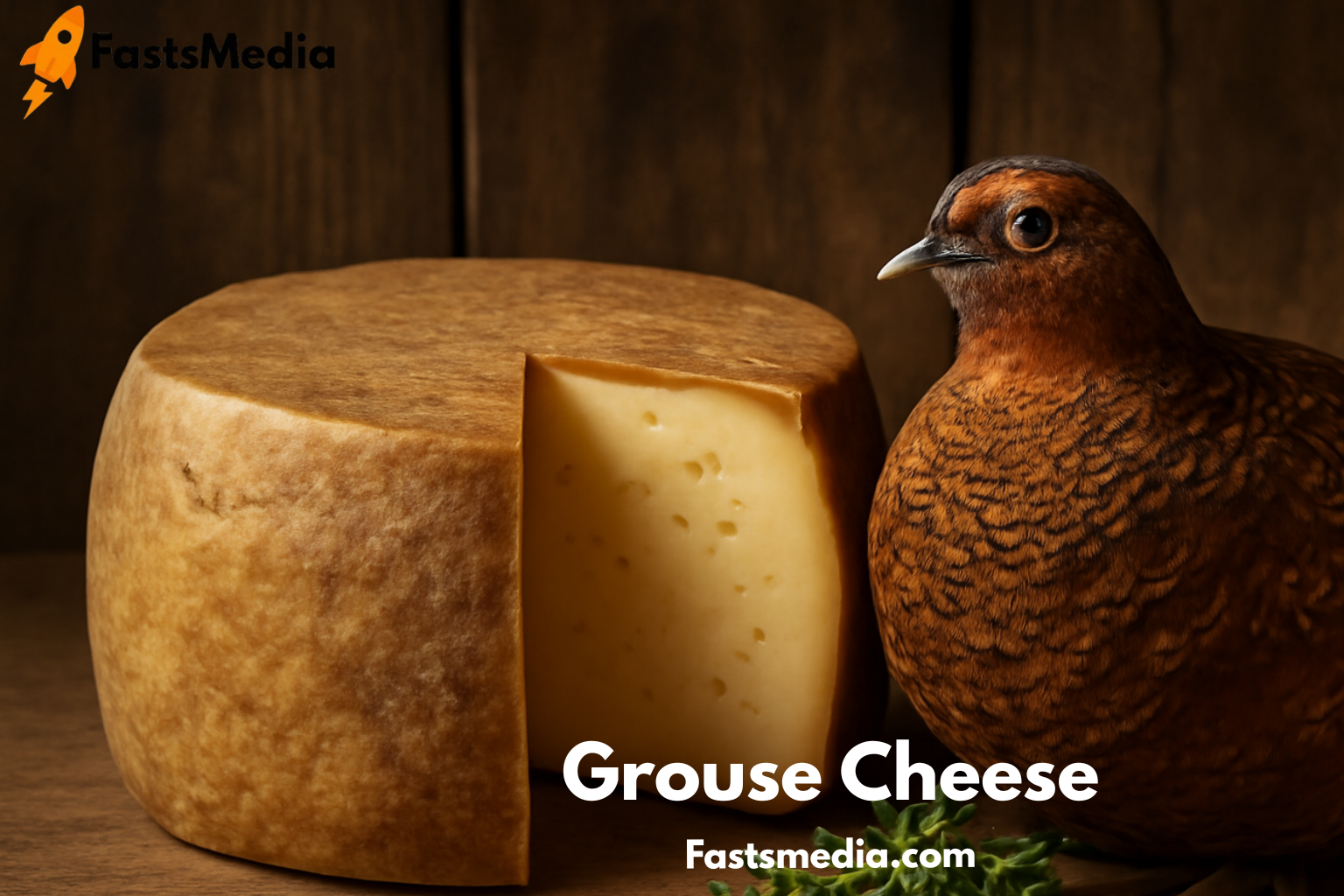
Introduction
Grouse cheese is not a widely known or commercially mass-produced product, yet it captures the imagination of food enthusiasts and culinary adventurers with its unique blend of wild game flavors and traditional cheesemaking techniques. Combining the earthy, herbal notes found in the diet of the grouse bird with the artistry of artisan cheese production, grouse cheese is a rare delicacy that offers a connection to nature and history. This article delves into the origins, characteristics, and culinary applications of grouse cheese, bringing this fascinating concept into the spotlight.
What is Grouse Cheese?
At its core, grouse cheese is a term that evokes images of rich, complex cheeses made with ingredients inspired by the habitats of the grouse, a wild bird known for its presence in the highlands and forests of Europe and North America. While there is no specific cheese called “grouse cheese” available in supermarkets, the term refers to cheeses that reflect the flavors associated with the grouse bird and its natural environment.
This can include cheeses made in regions where grouse are abundant, with herbs and botanicals found in their diet incorporated into the cheese’s aging process. It could also refer to culinary creations where the flavors of the grouse bird and cheese are paired together, such as using wild game meat alongside certain cheeses that capture the essence of the land the grouse roams. Essentially, grouse cheese is a concept born out of the wild game tradition, where cheese becomes an expression of nature and culture.
The Origins and Craftsmanship of Grouse Cheese
Roots in Highland and Alpine Traditions
The origins of grouse cheese can be traced to the highland and alpine regions of Europe, where traditional cheesemaking is often intertwined with local wildlife and natural landscapes. In areas like the Scottish Highlands, where grouse hunting is popular, local cheesemakers have historically incorporated the natural flora of the land into their cheeses. The wild herbs, grasses, and plants that the grouse feed on become a subtle influence on the flavor profiles of the cheeses produced in these areas.
This traditional cheesemaking method emphasizes small-batch production, often using raw milk from cows, goats, or sheep that graze on these rich, wild pastures. The cheeses are typically aged in natural caves or cellars, where the conditions mirror the environment that grouse inhabit. The result is a cheese that captures the unique terroir of the land, much like the wild game itself.
The Role of Botanicals and Herbs
What makes grouse cheese truly unique is the infusion of wild herbs and botanicals found in the grouse’s diet. These plants, which the bird feeds on in its natural habitat, impart distinctive flavors that are absorbed into the cheese during the aging process. Artisanal cheesemakers use these local plants, such as heather, thyme, and other highland herbs, to flavor their cheeses, creating a deep and earthy taste that reflects the character of the region.
These wild botanicals can contribute a wide range of flavors to the cheese, from earthy and herbal to smoky and slightly sweet. The influence of the environment where the cheese is produced gives it a depth and complexity that is hard to replicate in more industrial cheeses.
The Flavor Profile of Grouse Cheese
Earthy, Herbaceous, and Complex
The flavor of grouse cheese can vary, but it typically features earthy, herbal, and slightly gamey notes, reminiscent of the diet of the grouse bird. The cheese may have a rich, complex taste, with hints of the wild grasses and herbs that grow in the same highland and forested areas that grouse inhabit. A slight smokiness, which is often a result of the aging process in natural conditions, may also be present in the cheese’s flavor profile.
The texture of grouse cheese can range from semi-hard to firm, with a natural rind that may be dusted with herbs, ash, or a combination of both. The rind may serve as a protective layer, keeping the cheese fresh while also allowing it to develop its unique flavor profile. As the cheese ages, it becomes firmer and more flavorful, with a distinct taste that reflects the landscape in which it was produced.
Milk Variety and Aging Process
The milk used to produce grouse cheese plays a significant role in shaping its flavor. Typically, raw milk from cows, goats, or sheep is used, and the animals graze on pastures rich in wild herbs and grasses. This results in a milk that has a distinct flavor, which is carried over into the final cheese. The aging process further enhances these flavors, with some cheeses being aged for several months or even years to allow the flavors to mature.
The natural aging environments, such as caves or root cellars, contribute to the cheese’s unique character. The humidity, temperature, and microflora in these environments influence the flavor, giving grouse cheese a distinctive profile that reflects the natural surroundings of the region.
Culinary Applications of Grouse Cheese
Pairing with Grouse Meat
One of the most obvious culinary applications for grouse cheese is pairing it with grouse meat itself. Whether roasted, grilled, or prepared in a stew, the rich, gamey flavors of the grouse meat are perfectly complemented by the earthy, herbal notes of the cheese. Cheeses like smoked gouda, blue cheese, or aged cheddar can be excellent choices when paired with grouse, as they enhance the meat’s flavors and add complexity to the dish.
In fine dining, grouse cheese may also be incorporated into sauces or used as a garnish to enhance the flavors of the meat. By combining the flavors of wild game and artisan cheese, chefs can create a truly unique culinary experience that celebrates the connection between nature and food.
Incorporating Grouse Cheese into Dishes
In addition to pairing cheese with grouse meat, grouse cheese can also be used in various dishes that highlight its distinctive flavor. For example, it can be incorporated into stuffed poultry dishes, where the cheese is mixed with herbs and wild game to create a harmonious blend of flavors. Similarly, cheese can be used in risottos, pasta dishes, or as a topping for soups and salads, where its earthy taste adds depth to the overall dish.
Because of its strong, complex flavor, grouse cheese pairs well with other wild ingredients, such as mushrooms, truffles, and root vegetables. These ingredients share a connection to the natural world, and when combined with grouse cheese, they create a culinary experience that evokes the flavors of the wild.
Conclusion
Grouse cheese is more than just a type of cheese; it is a culinary expression of nature, tradition, and craftsmanship. By incorporating the flavors of the grouse bird’s habitat, this cheese captures the essence of the land and the wild game that inhabits it. Whether paired with grouse meat or used in a variety of dishes, grouse cheese offers a unique and complex flavor that is deeply connected to the landscape and the environment in which it is produced. It is a rare delicacy that celebrates the rich flavors of the wild, making it a must-try for those seeking a truly unique culinary experience.
Frequently Asked Questions about Grouse Cheese
1. What is grouse cheese?
Grouse cheese is not a specific type of cheese but refers to cheeses made in regions where grouse birds are found, often flavored with herbs and botanicals from the grouse’s natural diet.
2. How does grouse cheese differ from other cheeses?
Grouse cheese has a unique flavor profile that incorporates earthy, herbal, and smoky notes, often influenced by the wild herbs and plants that grouse feed on.
3. How is grouse cheese made?
Grouse cheese is typically made using raw milk from cows, goats, or sheep grazing on wild pastures. The cheese is aged in natural environments like caves, which contribute to its distinct flavor.
4. What dishes can I make with grouse cheese?
Grouse cheese pairs well with wild game, particularly grouse meat, and can be used in dishes like stuffed poultry, risottos, and salads.
5. Where can I find grouse cheese?
Grouse cheese can be found in artisanal markets or specialty stores that focus on regional cheeses, particularly in highland or alpine areas where grouse are abundant.