
 By Admin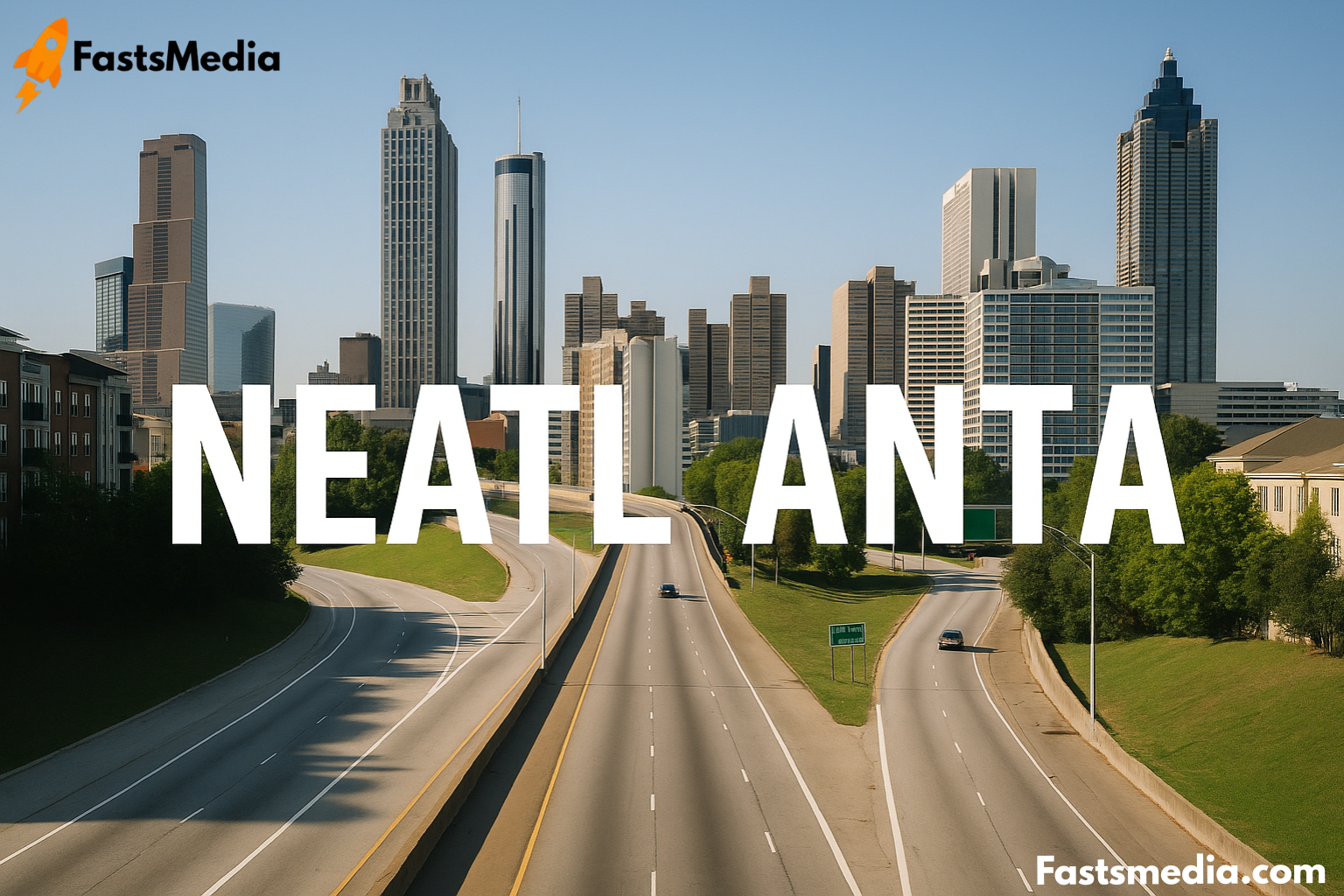
Introduction
Neatlanta represents a fresh vision for Atlanta — a movement toward creating a cleaner, greener, and smarter city that combines technology, sustainability, and community progress. As Atlanta continues to expand as one of the fastest-growing urban centers in the United States, conversations around innovation, infrastructure, and the environment are taking center stage.
In this context, the idea of Neatlanta captures the essence of a New Atlanta — a city that blends its historic Southern charm with futuristic ambition. Whether it’s smart transportation systems, eco-friendly development, or digital connectivity, Neatlanta symbolizes a shift toward a modern, inclusive metropolis.
What Is Neatlanta? – The Concept Behind the Name
The word Neatlanta can be interpreted as a blend of “Neat” and “Atlanta”, reflecting a vision of a more organized, sustainable, and forward-thinking city. It’s not just about aesthetics — it’s about designing an urban ecosystem where innovation improves the quality of life for everyone.
From cleaner public spaces and efficient energy systems to improved public transport and data-driven governance, Neatlanta stands for progress through practicality. It encourages citizens, businesses, and government bodies to collaborate in reshaping the city’s future.
Core Pillars of Neatlanta:
- Clean living: Promoting eco-friendly lifestyles and waste reduction.
- Smart innovation: Using technology to improve traffic, safety, and infrastructure.
- Community connection: Encouraging collaboration among residents and local organizations.
- Sustainable growth: Supporting renewable energy and green development initiatives.
The Importance of Neatlanta for the Future of Cities
As cities grow, they face challenges such as congestion, pollution, and unequal access to technology. Neatlanta aims to tackle these problems head-on by embracing smart-city principles — using digital tools and data to make life more efficient and sustainable.
In this model, traffic lights adapt to real-time flow, public transit runs on renewable energy, and data analytics help city planners design better neighborhoods. Neatlanta’s philosophy mirrors global examples like Singapore’s Smart Nation or Barcelona’s Sustainable City initiative, while keeping Atlanta’s unique culture and diversity at its core.
Key Components of the Neatlanta Vision
Smart Infrastructure and Transportation
Neatlanta envisions connected roads, electric buses, and autonomous shuttles reducing congestion and emissions. Sensors and AI technology manage traffic, improve safety, and shorten commute times. The city’s BeltLine and MARTA could be integrated with advanced systems that promote seamless mobility.
Green Energy and Eco-Friendly Living
To achieve sustainability, Neatlanta focuses on renewable energy sources such as solar power, wind, and smart grids. Homes and businesses would adopt energy-efficient designs and waste-to-energy solutions to minimize environmental impact.
Digital Transformation and Data-Driven Governance
From open data portals to citizen feedback apps, Neatlanta aims for a transparent, responsive, and tech-driven administration. Data analytics can guide decisions on resource allocation, policing, and healthcare to create a more equitable and safe city.
Inclusive Growth and Community Engagement
Neatlanta is not just about technology — it’s about people. The goal is to ensure that innovation benefits everyone, including historically underserved communities. Programs for digital literacy, affordable housing, and small-business development are central to the idea.
Step-by-Step Guide: How Neatlanta Can Be Built in Practice
Step 1 – Identify Urban Challenges
Analyze issues such as traffic congestion, waste management, or lack of digital infrastructure. Use surveys and public data to understand community priorities.
Step 2 – Engage Stakeholders
Involve local governments, businesses, universities, and residents. A multi-stakeholder approach ensures that technology serves real community needs.
Step 3 – Develop Smart Infrastructure
Implement IoT (Internet of Things) devices, renewable energy grids, and automated systems to improve transportation, waste control, and security.
Step 4 – Promote Green and Clean Initiatives
Encourage recycling, urban farming, and energy-efficient architecture. Introduce incentives for companies that reduce emissions or adopt green tech.
Step 5 – Create a Connected Digital Ecosystem
Launch platforms for citizen engagement, open data sharing, and real-time problem reporting. Transparency builds trust and cooperation.
Step 6 – Monitor Progress and Innovate Continuously
Track environmental, social, and economic indicators to evaluate success. Use analytics to adapt strategies and maintain long-term sustainability.
The Benefits of the Neatlanta Concept
- Cleaner Environment: Reduced pollution and greener public spaces improve health and quality of life.
- Smarter Mobility: AI-based traffic management means fewer accidents and shorter commutes.
- Economic Growth: Innovation attracts startups, investors, and tech talent to Atlanta.
- Stronger Communities: Digital inclusion programs and public participation strengthen local unity.
- Sustainability: Renewable energy and eco-design ensure the city thrives for future generations.
Challenges to Building Neatlanta
Every visionary project faces obstacles. For Neatlanta, the biggest challenges include:
- Funding: Smart city infrastructure requires major investments.
- Digital Divide: Ensuring equal access to technology for all residents.
- Data Privacy: Managing information securely in a connected ecosystem.
- Public Awareness: Inspiring citizens to support and participate in long-term projects.
However, with collaboration, strategic planning, and community engagement, these challenges can become opportunities for growth and unity.
Conclusion
Neatlanta represents more than just a futuristic idea — it’s a symbol of progress, innovation, and collaboration. It combines sustainability, technology, and community values to shape a city ready for the next century. By investing in smart infrastructure, green energy, and digital equity, Atlanta can transform into a model city that other urban centers aspire to replicate.
The future of cities lies in adaptability and innovation, and Neatlanta captures exactly that spirit — a neat, smart, and sustainable Atlanta built for everyone.
FAQs
Q1: What does the term “Neatlanta” mean?
Neatlanta is a conceptual vision representing a cleaner, smarter, and more sustainable version of Atlanta.
Q2: Is Neatlanta an official project?
Currently, Neatlanta is more of a conceptual idea or movement rather than a formally announced project by the city.
Q3: How can citizens contribute to Neatlanta’s goals?
Residents can participate by supporting local green programs, reducing waste, using public transport, and promoting digital literacy.
Q4: What industries would benefit from a Neatlanta transformation?
Technology, renewable energy, real estate, and transportation sectors would experience significant growth.
Q5: Why is Neatlanta important for Atlanta’s future?
It aligns with global sustainability goals and ensures Atlanta remains a competitive, inclusive, and eco-friendly hub in the modern world.